Read by Wed Dec 03,
Reading Response due Wed Dec 03,
Why?
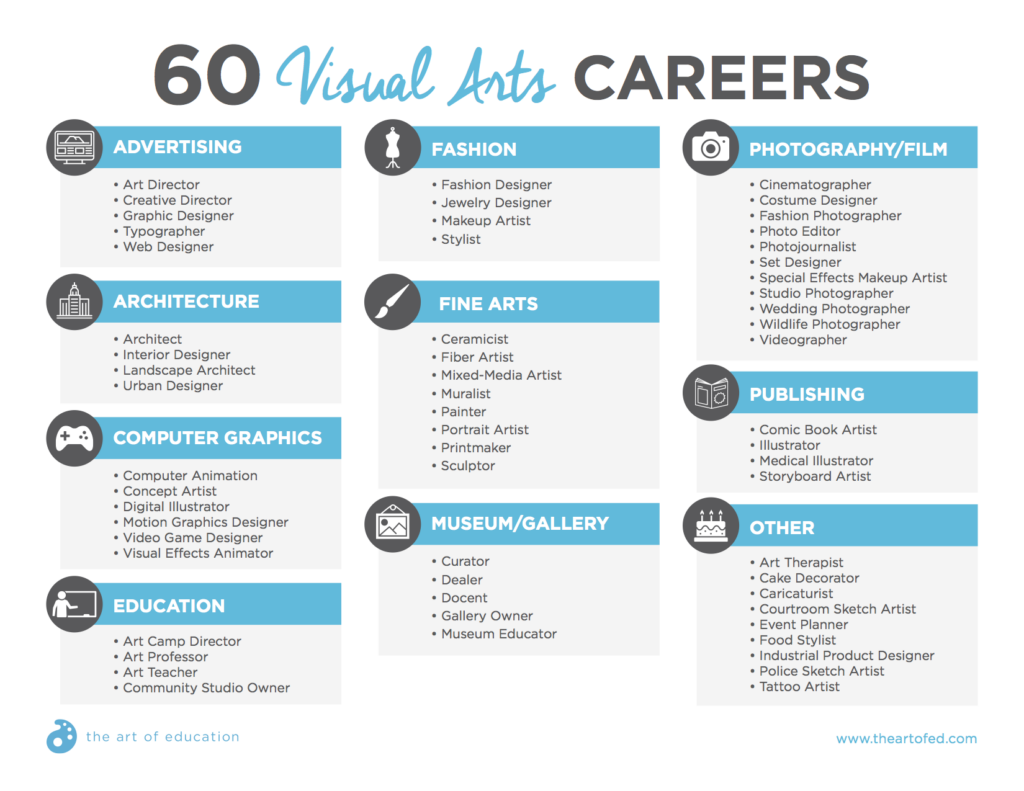
Not all career paths for artists are the obvious ones, but there are many options, and some that have not yet come to light because you have not created them yet.
“We’ve heard a lot over the years, and particularly recently, about the value that so-called right brained thinkers can bring to organizations. These are highly creative people who aren’t constrained by traditional business think, and who are often very valuable in a company’s innovation efforts, among other areas. But you’re taking this idea one big step further with your blog post, in which you suggest that the training that MFAs get, these are people pursuing Master’s of Fine Arts degrees, is actually very good business training. So to introduce us to this idea, tell us where it came from.”
Response Questions
Select one question below to which you will respond. Remember to cite specific instances from the text to support your views.
What most surprised you in this reading set and why?
Which principles do you see are being the most pertinent to your practice and why?
Supplementary Readings
These are optional readings to help enrich your understanding of the themes of this reading set.
“When General Motors hired Robert A. Lutz in 2001 to whip its product development into shape, he told The New York Times about his new approach. ‘It's more right brain. It's more creative,’ he said. ‘I see us as being in the art business,’ he said, ‘Art, entertainment and mobile sculpture, which, coincidentally, also happens to provide transportation.’ When a car company like G.M. is in the art business, every company in any other industry is, too.”
Read by Mon Dec 01,
Reading Response due Wed Dec 03,
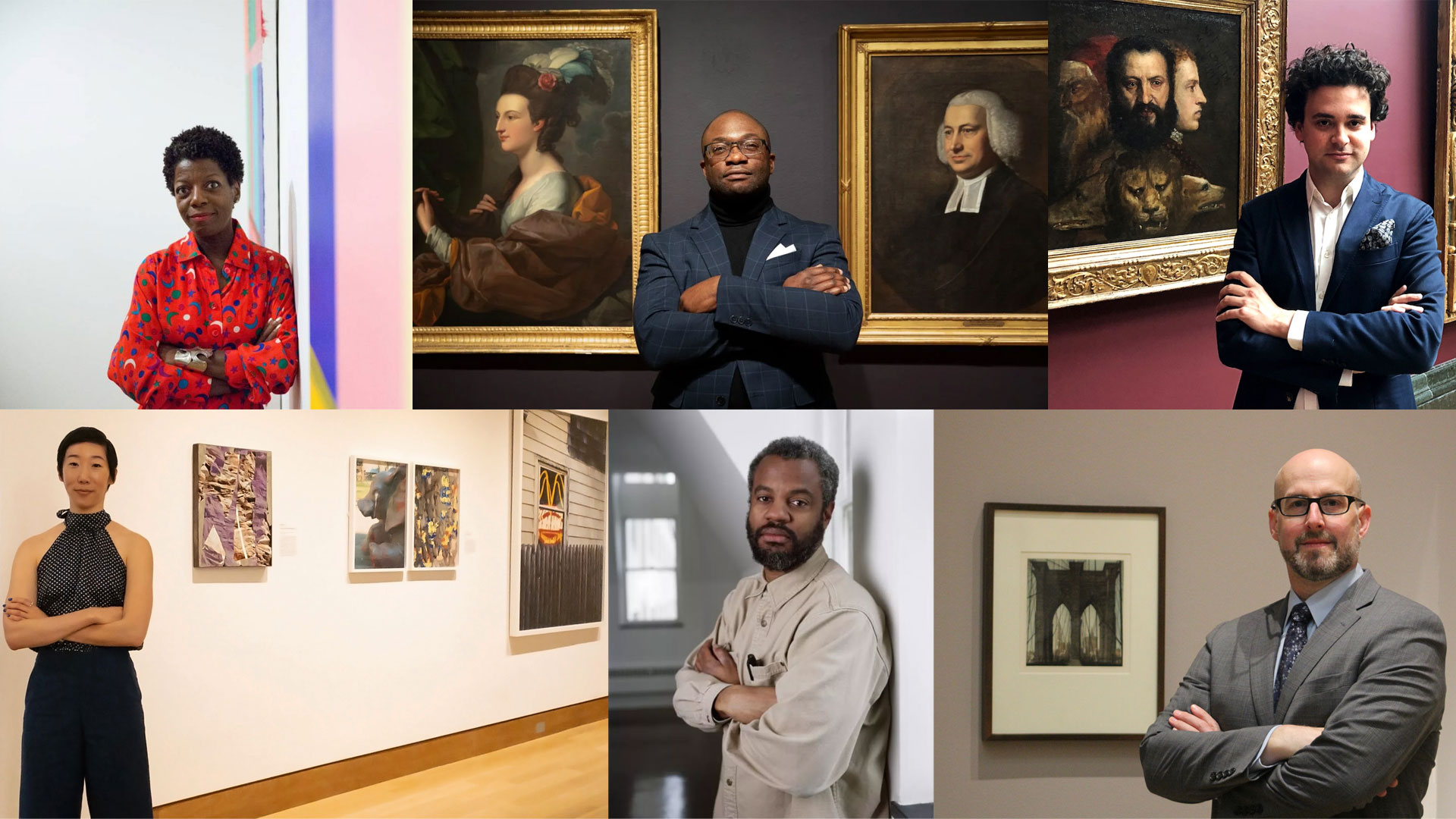
Curators with folded arms
Why?
A career path in gallery and museum work is a feasible option for many artists, and there are a variety of job positions where you may find fulfillment. The readings below outline some options
“In this episode, Natalie [Bell], the curator at the MIT List Visual Arts Center, explains that curation is all about helping artists bring their ideas to life — but it’s not all rainbows. She explains that the museum world is very competitive, a fair salary can be hard to find, and there’s a lot of work to be done to improve what can be a tough industry. But despite it all, her passion for art is what makes it worth it. If you’re interested in this career path, Natalie shares some concrete tips on how to move forward, including: Avoid unpaid internships if you can, look for similar jobs outside of the museum world, and don’t be afraid to start small and curate your own show.”
You can also watch the video which has basically the same information (09:05)
“A museum career is simultaneously one of the most rewarding and frustrating endeavors you’ll ever undertake. There’s a lot of competition for a limited pool of jobs, the compensation tends to be “not great,” the hours can be killer and you’re going to end up working when you’d rather be with your friends or family.”
Response Questions
Select one question below to which you will respond. Remember to cite specific instances from the text to support your views.
What most surprised you in this reading set and why?
Which princples do you see are being the most pertinent to your practice and why?
Supplementary Readings
These are optional readings to help enrich your understanding of the themes of this reading set.
“Are you captivated by art and eager to shape the way it's experienced by others? It's the curator’s job to do exactly that. Art curators are responsible for curating exhibitions, finding pieces for collections, researching their subject matter, and sharing their insights with the public. While artists tend to be in the limelight, curators work behind the scenes to progress the way we view, understand, and appreciate art. Curators can be powerful cultural movers-and-shakers who can bestow recognition and even fame on artists and art galleries. For this reason, being a curator can involve a lot of responsibility, and curating is a highly competitive career choice. It’s important to understand what’s involved in the job and the choices you can make to stand out as you take your first steps in your curation career.”
This is a useful primer on museum jobs, but does not have much depth. “Museums hire for a range of positions, some of which vary depending on the type of institution. A natural history museum may want educators with science backgrounds, while a children’s museum might need professionals in early childhood education. But there are a few roles most museums need to fill.”
“PBS Digital Studio's The Art Assignment asks what the title "curator" really means, both traditionally and as it is used today. Can you be a curator of vintage sneakers?”
“Enjoy this behind-the-scenes look from NCMA art handler Ian Larson. Get the inside scoop on art handlers’ roles at the Museum and their part in the upcoming reinstallation of the People’s Collection. Learn more about the reinstallation at ncartmuseum.org/peoplescollection.”
“What do conservators do? What does the lab look like? Where are photographs when they’re not on view? Getty Conservator Sarah Freeman shows us the J. Paul Getty Museum's conservation lab and explains how conservators take care of photographs when they’re not on display.”
“What do cataloguers do? What information about photographs is most relevant to record? Getty Cataloguer Megan Catalano tells us how she records, researches, and tracks the photographs in the J. Paul Getty Museum’s collection. And why photographic information is important.”
“What do curators do? How do we choose objects for an exhibition? Getty Curator Paul Martineau takes us through the process of curating photographs for an exhibition and introduces the J. Paul Getty Museum’s Department of Photographs Study Room.”
By Ann Friedman, Aminatou Sow, and Helen Molesworth
May 28, 2021
44:23
“As more of us can step back into the world and look at art in person, we discuss the role (and responsibility) of an art curator with Helen Molesworth, formerly of MOCA in Los Angeles, and host of the podcast Recording Artists.”